About TechieBytes
TechieBytes helps teams make technology choices they can explain and own.
Chris Jenkins works directly with clients on Microsoft 365, automation, websites, custom systems, training, and the decisions behind them.
Working principles
The tool is never the whole story.
TechieBytes is Chris Jenkins’ consulting practice. Clients work directly with Chris on Microsoft 365 cleanup, automation, website governance, custom systems, and training.
We start with the need, the people affected, and the decision that has to hold up later. Tools matter, but the judgment call comes first.
What we protect
The relationship.
The decision quality.
The team’s ability to own the result.
How the work stays clear
Clear responsibility is part of the work.
The point is clarity, not volume or spectacle. Responsibility stays close, notes stay useful, and the work has to make sense after the first conversation is over.
Focused work
The work is strongest when the problem, expectations, and owner are clear.
Direct accountability
You work with the person responsible for the advice, notes, and tradeoff calls.
Useful notes
The work should leave behind decisions, owners, and plain-language notes people can keep using.
Who you work with
Family-owned does not mean informal. It means accountable.
TechieBytes is built around direct relationships, careful fit, and clear ownership. The people shaping the work stay close to the work.

Chris Jenkins
Leads strategy, governance, technical design, advisory work, speaking, and implementation direction.
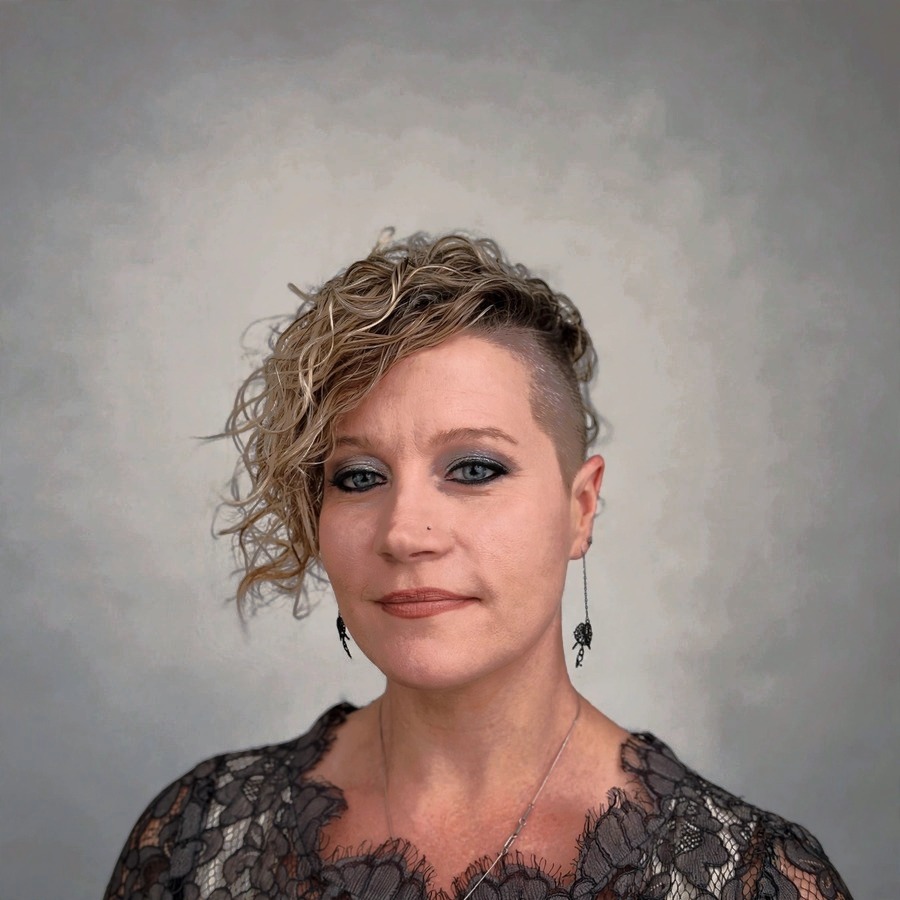
Alicia Jenkins
Keeps communication, scheduling, coordination, and care visible so engagements do not drift.

Jayden Jenkins
Supports training, enablement, and documentation that connect the system to the work people do.

Trinity Jenkins
Supports visual presentation, brand assets, and design details that make complex ideas easier to trust.
Who leads the work
Done the job, not just studied it.
Chris Jenkins has spent 25+ years leading technology inside real organizations — most recently as CEO of a statewide professional association, and before that as CIO of a state CPA society. He’s lived with the consequences of technology decisions: the budgets, the boards, the staff who have to use what gets built.
CAE (Certified Association Executive) · CISSP · CCNA · MCSE — he’s run the business side, secured the infrastructure, and wired the networks himself.
Led technology from the top
CEO of a statewide professional association since 2015; former CIO of a state CPA society. Chris has owned technology budgets, boards, and outcomes — not just recommendations.
Business judgment + technical roots
CAE for association leadership, CISSP for security, CCNA and MCSE from years running infrastructure hands-on. The rare mix of governance and engineering.
100+ engagements, 30+ publications
Keynotes and presentations for 100+ professional organizations, 30+ articles in professional and trade publications. He explains technology plainly because he’s had to — to boards, staff, and members.
When you hire TechieBytes, you work with Chris directly — not a handoff chain.
What the work leaves behind
Every engagement ends with something the team can keep using.
Decision map
What needs deciding, who can move it, what can’t stay vague, and what happens next.
Ownership outline
Who owns what, how decisions get made, and what changes them.
Handoff note
What the team needs to keep using the result after we’re done.
Define the need before the solution.
In practice: the initial notes name the decision, audience, risk, owner, and constraint before a product or build path is recommended.
Design around people and process.
In practice: the route, training, and ownership notes are mapped with the people who must keep using the result.
Favor simple, durable systems.
In practice: the smallest maintainable path wins when it gives the team a clearer way to work.
Build security people can work with.
In practice: access, device, and data controls are tied to responsibility instead of dropped in as abstract rules.
Be direct about fit.
In practice: a project may need a narrower first step, a training conversation, or a discovery conversation before anyone builds.
Leave useful documentation.
In practice: decisions, owners, exceptions, and maintenance notes are written down so the work can keep making sense after handoff.
Start with fit
A good first conversation should feel clear, not pressured.
Share the problem, the people affected, and what would make the next step useful. We will be direct about fit.